
- All
- Product Name
- Product Keyword
- Product Model
- Product Summary
- Product Description
- Multi Field Search

Views: 0 Author: Site Editor Publish Time: 2025-12-22 Origin: Site


Are you tired of waking up to a sliding mattress? A stable mattress is essential for a good night's sleep. In this article, we’ll explore effective strategies to stop your mattress from sliding off the box spring. You’ll learn practical solutions to enhance your sleep quality and comfort.
One of the primary reasons for a sliding mattress is the lack of friction between the mattress and the box spring. Many mattresses, especially hybrid mattresses, have smooth surfaces that do not grip well. This can lead to unwanted movement during sleep.
Another factor is the incorrect mattress size for the box spring. A mattress that is too small will have extra space, allowing it to slide around easily. On the other hand, a mattress that is too large might hang over the edges, creating instability.
Age and wear of the mattress also play a crucial role. Over time, materials inside the mattress can break down, reducing their ability to grip the surface beneath. This makes it easier for the mattress to shift, especially if it has been used for several years.
The design of the box spring can contribute to the problem as well. For instance, box springs without a headboard or footboard lack barriers that can help keep the mattress centered. This absence allows the mattress to wander during the night.
Weight distribution on the mattress is another critical factor. If one side bears more weight, it may cause the mattress to slide toward the lighter side. This is particularly noticeable when couples sleep together, as differences in weight can lead to uneven movement.
Tossing and turning during sleep exacerbates sliding issues. If you’re a restless sleeper, your movements can shift the mattress out of place. This is especially true for hybrid mattresses, which may not have the same grip as traditional innerspring mattresses.
The presence of children or pets can also impact mattress stability. Their movements can easily disturb the mattress, leading to further sliding. It’s essential to consider these factors when evaluating why your mattress might not stay in place.
Cause | Description |
Lack of Friction | Smooth surfaces reduce grip between mattress and box spring. |
Incorrect Mattress Size | A mattress too small or large can lead to instability. |
Age and Wear | Worn materials decrease grip and increase sliding. |
Box Spring Design | Absence of barriers allows the mattress to shift easily. |
Weight Distribution | Uneven weight can lead to sliding toward the lighter side. |
Tossing and Turning | Restless movements exacerbate the issue. |
Presence of Children/Pets | Their activity can disturb mattress stability. |
A sliding mattress can lead to significant discomfort. Gaps between the mattress and box spring can create pressure points, making it hard to find a comfortable sleeping position. This discomfort often results in restless nights.
Moreover, there are potential safety hazards associated with a sliding mattress. If the mattress slips too far, it can cause you to fall off the bed, leading to injuries. This risk is particularly high for children and elderly individuals.
The effects on sleep quality and overall health cannot be ignored. Poor sleep leads to fatigue, irritability, and decreased productivity during the day. It can also contribute to long-term health issues, such as anxiety and depression.
Finally, the psychological effects of a sliding mattress can be frustrating. Constantly adjusting your mattress can disrupt your sleep patterns, making it difficult to achieve restful sleep. This cycle of frustration can lead to a negative association with bedtime.
In summary, understanding why your mattress slides off the box spring is crucial for addressing the issue effectively. By recognizing the common causes and their impact on sleep quality, you can take steps to create a more stable and comfortable sleeping environment.
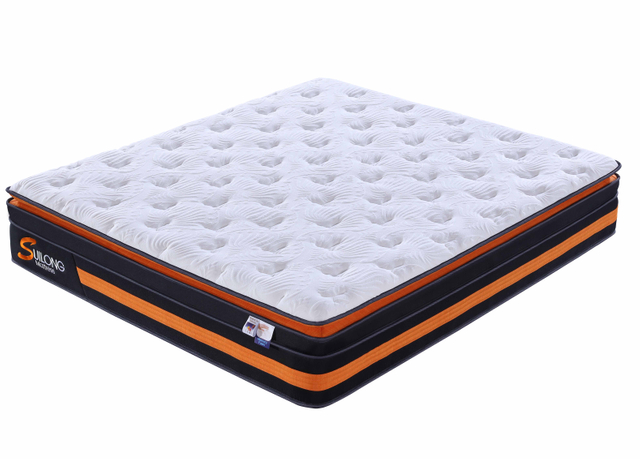
Non-slip mattress pads are a simple yet effective solution to prevent your mattress from sliding. These pads are designed to create friction between the mattress and the box spring, helping to keep everything in place. They come in various materials, such as rubber or foam, which grip the surfaces tightly.
Benefits of Using Non-Slip Pads:
● They enhance the grip between the mattress and box spring.
● They can reduce wear and tear on your mattress.
● They are often machine washable, making them easy to maintain.
When selecting a non-slip mattress pad, consider the size of your mattress and the type of material that suits your needs best. Look for pads that fit snugly and provide sufficient coverage to maximize effectiveness.
Velcro strips are another practical option for securing your mattress. These adhesive strips attach one side to the mattress and the other to the box spring, creating a strong bond that prevents sliding.
How to Apply Velcro Strips:
1. Measure the length of your mattress and box spring.
2. Cut the Velcro strips to match these measurements.
3. Attach one side of the Velcro to the bottom of the mattress.
4. Stick the corresponding side to the box spring.
5. Press firmly to ensure a secure bond.
Pros and Cons of Velcro:
● Pros: Easy to apply, adjustable, and affordable.
● Cons: Can be noisy if you shift a lot during sleep, and may wear out over time.
Rubber mats and rug pad grippers are excellent tools for preventing mattress sliding. They work by providing a textured surface that grips both the mattress and the box spring.
Using Rubber Mats:
● Place a rubber mat between the mattress and box spring for added stability.
● Rug pad grippers can be cut to size and placed under the mattress.
Tips for Selection:
● Choose high-quality rubber mats that are durable and non-slip.
● Ensure they fit the dimensions of your mattress for optimal effectiveness.
Type | Description | Recommended Use |
Non-Slip Mattress Pad | Adds friction to prevent sliding | Best for all mattress types |
Velcro Strips | Secures mattress to box spring | Ideal for adjustable beds |
Rubber Mats | Provides grip and stability | Great for hybrid mattresses |
A mattress retainer bar is a straightforward solution designed to keep your mattress securely in place. This bar is typically installed at the foot of the bed, acting as a barrier to prevent the mattress from sliding forward.
How It Works:
● The retainer bar holds the mattress in position, especially useful for adjustable beds.
● It can be easily installed with minimal tools.
Where to Buy:
● Mattress retailers often sell retainer bars, or you can find them at home improvement stores.
Carpet tape can serve as a quick solution to hold your mattress in place. This double-sided adhesive tape is effective for securing the mattress to the box spring.
Application Process:
1. Clean the surfaces where you will apply the tape.
2. Cut the tape into strips.
3. Attach one side to the box spring and the other to the mattress.
4. Press down firmly for a secure hold.
Limitations:
● Carpet tape may leave residue when removed.
● It’s a temporary fix and might not hold up under heavy use.
Matching the size of your mattress to your box spring is crucial for preventing sliding. An ill-fitting mattress can easily shift around, leading to discomfort.
Measuring Tips:
● Measure both the mattress and the box spring to ensure they match.
● Look for standard sizes (twin, full, queen, king) for compatibility.
Recommendations:
● When purchasing, consider a box spring that complements your mattress size for the best fit.
Keeping your mattress and box spring clean is essential for preventing sliding. Dust and debris can accumulate, creating a slippery surface that enhances movement.
Cleaning Tips:
● Regularly vacuum under the mattress to remove dust.
● Wash mattress pads and covers according to the manufacturer’s instructions.
● Ensure the box spring is free from dirt and grime.
Vacuuming not only keeps your sleeping environment clean but also improves grip, enhancing the stability of your mattress on the box spring.
When it comes to preventing a sliding mattress, the type of mattress you choose plays a significant role. Different materials have varying tendencies to slip. For instance, memory foam mattresses often grip better due to their weight and surface texture, while innerspring mattresses may slide more easily because of their smooth surfaces.
How Materials Affect Sliding:
● Memory Foam: Conforms to surfaces and tends to stay put.
● Latex: Offers good grip but can slide on smooth surfaces.
● Innerspring: Generally less friction, making it prone to sliding.
When selecting a mattress, consider one designed to minimize movement. Look for options that feature a textured bottom or those specifically labeled as non-slip. Additionally, two-sided mattresses can be more prone to sliding due to their symmetrical design, which may not provide the same grip as a single-sided mattress.
Mattress Type | Sliding Tendency | Recommendations |
Memory Foam | Low | Choose high-density options |
Latex | Moderate | Ensure a textured base |
Innerspring | High | Consider a non-slip cover |
Two-Sided | Moderate to High | Use a mattress pad for stability |
Weight distribution on the mattress significantly impacts its stability. If one partner is heavier, the mattress can shift toward them, leading to sliding. Additionally, tossing and turning during sleep can exacerbate this issue, especially if you have a lighter mattress.
Tips for Adjusting Sleep Positions:
● Center Sleeping: Encourage sleeping in the middle of the bed to distribute weight evenly.
● Use a Body Pillow: A body pillow can help maintain position and reduce movement.
● Consider Mattress Firmness: A firmer mattress often provides better stability.
Pets and children can also contribute to mattress movement. Their playful antics can shift the mattress, especially on a bed without a headboard or footboard. To mitigate this, consider training pets to stay off the bed or use a mattress retainer bar to keep everything secure.
Factor | Impact on Stability | Recommendations |
Weight Distribution | Can cause sliding | Encourage even weight distribution |
Sleep Position | Affects movement | Use supportive pillows |
Pets and Children | Increases movement | Train pets to stay off the bed |
By understanding how mattress types and weight distribution affect stability, you can take proactive steps to prevent sliding. This awareness will lead to a more restful and uninterrupted sleep experience.
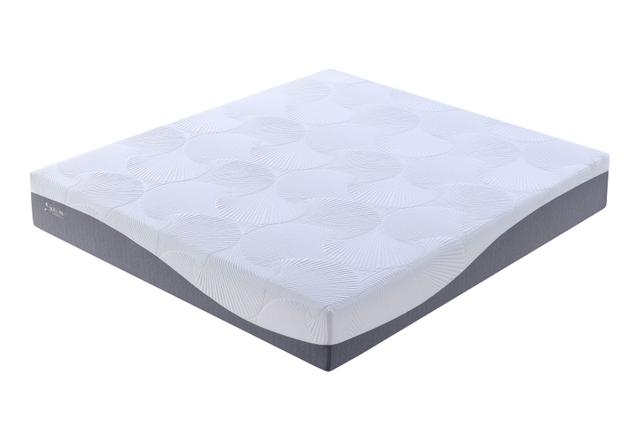
Knowing when to replace your mattress is crucial for maintaining a good sleep environment. Over time, mattresses can wear out, leading to discomfort and even sliding issues. Here are some key indicators that it might be time for a new mattress.
Indicators of Mattress Wear and Tear:
● Sagging or Lumps: If you notice visible sagging in the middle or lumps forming, it’s a sign of wear. These irregularities can affect how well the mattress stays in place.
● Noise: A creaky mattress can indicate that the internal components are breaking down. If you hear noises when moving, it may be time for a replacement.
● Allergies: Older mattresses can accumulate dust mites, mold, and allergens. If you experience increased allergy symptoms, it might be due to an aging mattress.
Indicator | Description | Recommended Action |
Sagging or Lumps | Visible indentations or uneven surfaces | Consider replacing the mattress |
Noise | Creaking sounds when moving | Evaluate the mattress condition |
Allergies | Increased allergy symptoms when sleeping | Replace to improve sleep quality |
How an Old Mattress Can Contribute to Sliding: An old mattress often loses its grip on the box spring, making it more prone to sliding. As materials break down, the friction needed to keep it in place diminishes. This can lead to an uncomfortable sleeping experience and potential safety hazards.
Benefits of Investing in a New, High-Quality Mattress: Investing in a new mattress can significantly improve your sleep quality. A high-quality mattress not only provides better support but also enhances stability, reducing the likelihood of sliding. Newer models often come with advanced materials designed to grip better, which can provide a more secure sleeping surface.
● Improved Comfort: A new mattress can relieve pressure points, leading to a restful night’s sleep.
● Better Support: Modern mattresses offer improved spinal alignment, which is crucial for overall health.
● Enhanced Durability: A quality mattress can last longer, saving you money in the long run.
Benefit | Description |
Improved Comfort | Relieves pressure points for better sleep |
Better Support | Enhances spinal alignment for overall health |
Enhanced Durability | Lasts longer, providing better value over time |
Recognizing these signs and understanding the benefits of a new mattress can lead to a more comfortable and stable sleep environment. If you notice any of these indicators, it may be time to consider an upgrade to ensure a peaceful night’s rest.
Preventing mattress sliding is crucial for a good night's sleep. It enhances comfort and safety while reducing frustration. We encourage you to try the various solutions discussed, such as using non-slip pads and ensuring proper mattress size. Share your experiences or tips in the comments section to help others. For those looking for high-quality products, SuiLong offers innovative solutions that provide exceptional value, ensuring your mattress stays securely in place for a restful sleep experience.
A: A mattress may slide due to a lack of friction, incorrect sizing, or wear and tear over time.
A: You can use non-slip pads, Velcro strips, or rubber mats to create friction and keep your mattress in place.
A: Preventing mattress sliding enhances comfort and safety, ensuring a better sleep experience.
A: Memory foam mattresses tend to grip better and are less likely to slide compared to innerspring mattresses.
A: It's recommended to replace your mattress every 7-10 years to maintain comfort and prevent sliding issues.


