
- All
- Product Name
- Product Keyword
- Product Model
- Product Summary
- Product Description
- Multi Field Search

Views: 0 Author: Site Editor Publish Time: 2025-12-25 Origin: Site


Are you tired of restless nights? Choosing the right mattress can transform your sleep experience. In this article, we'll explore what a latex mattress is and why it might be the perfect choice for you. You'll learn about its benefits, types, and how it compares to other mattresses.
A latex mattress is a type of bed made from natural or synthetic latex, which offers unique comfort and support. It’s designed to contour to your body while providing excellent pressure relief. This mattress type has become increasingly popular due to its durability and eco-friendly qualities.
Latex can be sourced from two main types: natural and synthetic.
● Natural Latex: This comes from the sap of rubber trees, primarily the Hevea brasiliensis. It's renewable and biodegradable, making it an eco-conscious choice for consumers.
● Synthetic Latex: Made from petroleum-based products, synthetic latex mimics the properties of natural latex. While often more affordable, it may not offer the same level of comfort or sustainability.
The production of latex mattresses involves two primary methods: Dunlop and Talalay.
Process | Description | Characteristics |
Dunlop | Latex is poured into a mold and baked. This method is simpler and more efficient. | Generally firmer, denser feel. |
Talalay | Involves vacuum-sealing the mold, allowing for a lighter texture. | Softer, more buoyant, and consistent. |
Both processes result in high-quality mattresses, but they differ in feel and firmness.
In recent years, latex mattresses have gained traction among consumers seeking healthier sleep options. Their natural properties, combined with the growing awareness of the importance of sleep quality, have made them a preferred choice. Many people appreciate the durability and hypoallergenic benefits, which help reduce allergens like dust mites and mold. As more brands enter the market, consumers now have a wider selection than ever before.
Latex mattresses are not just a trend; they represent a shift towards more sustainable and health-conscious choices in sleep products. With their unique combination of comfort, support, and eco-friendliness, it’s no wonder they are becoming a favorite among sleepers.
When it comes to latex mattresses, there are several types to consider. Each type has its unique characteristics and benefits, catering to different sleep preferences and budget needs. Let’s dive into the main types of latex mattresses you might encounter.
Natural latex mattresses are made from the sap of rubber trees, primarily the Hevea brasiliensis. This sap is processed into foam, creating a durable and resilient mattress.
● Eco-Friendly: Since natural latex is derived from a renewable resource, it’s a sustainable choice for environmentally conscious shoppers.
● Durability: These mattresses can last for over a decade, making them a long-term investment.
● Breathability: Natural latex is breathable, allowing for better airflow, which helps regulate temperature during sleep.
Many natural latex mattresses also come with certifications like Oeko-Tex Class I, ensuring they are free from harmful substances and safe for human use. This certification adds an extra layer of assurance for consumers looking for healthy sleep options.
Synthetic latex is manufactured from petroleum-based products, including components like butadiene and styrene. While these mattresses can mimic the feel of natural latex, there are some key differences.
● Pros: Synthetic latex is often more affordable than natural latex, making it accessible for a wider range of budgets. It can also provide good durability and support.
● Cons: However, synthetic options may not offer the same breathability or eco-friendliness as their natural counterparts. They can trap heat, leading to discomfort for some sleepers.
In terms of cost, synthetic latex mattresses typically come at a lower price point than natural latex. This makes them a popular choice for those looking for comfort on a budget.
Blended latex mattresses combine both natural and synthetic latex to create a balanced product. This blend allows manufacturers to offer the benefits of both materials.
● Definition: Blended latex typically consists of a mixture of natural latex and synthetic latex, providing a middle ground in terms of price and performance.
● Advantages: By choosing blended latex, consumers can enjoy the durability and comfort of natural latex while benefiting from the cost-effectiveness of synthetic options.
● Cost Reduction: This approach helps maintain quality while reducing overall costs, making it an attractive choice for budget-conscious buyers.
The manufacturing process significantly impacts the feel and performance of latex mattresses. The two primary methods are Dunlop and Talalay, each producing distinct characteristics.
Process | Description | Characteristics |
Dunlop | Made by pouring latex into a mold and baking it, creating a firmer feel. | Generally denser and more durable. |
Talalay | Involves a vacuum-sealing process, resulting in a lighter and softer texture. | Softer, more buoyant, and consistent. |
Both processes yield high-quality mattresses, but they differ in terms of feel and density. Notably, Talalay latex is often praised for its hypoallergenic properties, making it a suitable option for allergy sufferers. This is due to the rigorous washing processes used during manufacturing, which help eliminate allergens.
Understanding these types of latex mattresses can help you make an informed decision when selecting the right one for your sleep needs. Each type offers unique benefits, ensuring there’s a latex mattress for everyone.
Latex mattresses offer a variety of benefits that make them a popular choice for many sleepers. Understanding these advantages can help you decide if a latex mattress is right for you.
One of the standout features of latex mattresses is their exceptional comfort and support. They provide excellent pressure relief, which helps to alleviate discomfort in sensitive areas like the shoulders and hips.
● Pressure Relief: Latex naturally conforms to your body shape, distributing weight evenly and reducing pressure points. This is especially beneficial for side sleepers who need extra cushioning.
● Responsiveness: Unlike memory foam, which can feel like quicksand, latex mattresses are highly responsive. They quickly bounce back to their original shape, making it easier to change positions during the night. This responsiveness is ideal for combination sleepers who switch between different sleep styles.
Latex adapts well to various sleeping positions, whether you sleep on your side, back, or stomach. Its unique properties ensure that your spine remains aligned, promoting better sleep quality.
Latex mattresses are known for their impressive durability. They typically last between 10 to 15 years, outpacing many other mattress types.
Factors Affecting Durability | Description |
Quality of Materials | Higher-quality natural latex lasts longer. |
Manufacturing Process | Dunlop latex tends to be denser and more durable. |
Care and Maintenance | Regular cleaning and proper care extend lifespan. |
To maximize longevity, it’s essential to maintain your latex mattress properly. Regularly rotating the mattress and using a protective cover can help prevent wear and tear, ensuring it remains comfortable for years to come.
Another significant advantage of latex mattresses is their hypoallergenic nature. They are naturally resistant to dust mites, mold, and other allergens, making them an excellent choice for allergy sufferers.
● Antimicrobial Features: The structure of latex prevents the growth of bacteria and fungi, contributing to a healthier sleep environment. This is particularly beneficial for asthma patients or those with sensitivities.
● Dust Mite Resistance: Since latex mattresses do not provide a suitable habitat for dust mites, they help reduce allergy symptoms and promote better respiratory health.
This combination of features makes latex mattresses a smart choice for anyone concerned about indoor allergens.
Latex mattresses excel in breathability, which is crucial for maintaining a comfortable sleep temperature.
● Airflow Promotion: The open-cell structure of latex allows for excellent airflow, preventing heat buildup. This feature is especially appreciated by hot sleepers who struggle to stay cool at night.
● Temperature Regulation: Compared to memory foam, which can trap heat, latex mattresses provide a cooler sleeping surface. This helps regulate body temperature, allowing for a more restful sleep experience.
In summary, latex mattresses combine comfort, durability, hypoallergenic properties, and breathability, making them a versatile option for many sleepers. These advantages contribute to a healthier and more enjoyable sleep experience, making latex a worthwhile investment for your sleep quality.
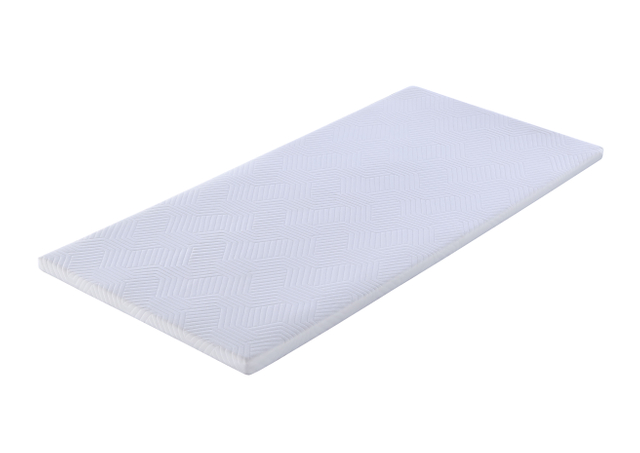
While latex mattresses offer numerous benefits, they also come with some potential drawbacks. Understanding these issues can help you make an informed decision about whether a latex mattress is the right choice for you.
One of the first things to consider is the weight of latex mattresses. They are generally heavier than many other mattress types, which can pose challenges during moving and setup.
● Discussion on Weight: A queen-size latex mattress can weigh anywhere from 80 to 150 pounds, depending on its thickness and materials. This weight can make it difficult for one person to handle alone.
● Considerations for Moving: If you plan to move frequently or rearrange your bedroom often, the weight may be a significant factor. It’s wise to have a plan in place for moving the mattress, as lifting and maneuvering it can be cumbersome.
Delivery Options | Description |
White-Glove Service | Professional delivery and setup, often included by retailers. |
Standard Delivery | Basic drop-off, requiring you to handle setup yourself. |
For those who prefer convenience, opting for a white-glove service can alleviate the hassle of moving and setting up your new mattress.
Latex mattresses come in various firmness levels, ranging from soft to firm. This variety allows you to choose a mattress that best suits your sleeping style.
● Overview of Firmness Options: Typically, you can find latex mattresses categorized as soft, medium, or firm. Soft mattresses provide a plush feel, while firm options offer more support.
● Who May Find Them Too Firm?: Some sleepers, particularly those who prefer a softer surface or who sleep on their sides, might find latex mattresses too firm. It’s essential to test different options to determine what feels best for you.
Selecting the right firmness is crucial for maintaining proper spinal alignment and ensuring comfort throughout the night.
Another aspect to consider is motion transfer. This refers to how well a mattress absorbs movement, which is particularly important for couples.
● Explanation of Motion Isolation: Latex mattresses generally provide good motion isolation, meaning that movements on one side of the bed are less likely to disturb the other side. This can be a significant advantage for light sleepers.
● Comparison with Other Mattress Types: Compared to memory foam, which excels in motion isolation, latex may still allow for some movement due to its responsiveness. While it reduces motion transfer, it may not eliminate it entirely.
Mattress Type | Motion Isolation | Responsiveness |
Latex | Moderate | High |
Memory Foam | High | Low |
Innerspring | Low | Moderate |
● Discussion for Couples: Couples may need to consider how much movement bothers them. If one partner is a restless sleeper, they might notice more motion on a latex mattress compared to a memory foam one.
By weighing these potential drawbacks against the benefits, you can make a more informed decision about whether a latex mattress aligns with your sleep needs and lifestyle.
Choosing the right latex mattress is essential for ensuring a good night’s sleep. With various options available, it’s important to consider several factors that can affect your comfort and support. Here’s a guide to help you make an informed choice.
Your sleep position plays a crucial role in determining the type of latex mattress that will best suit you.
● Recommendations Based on Sleeping Positions:Side Sleepers: Often benefit from a softer latex mattress that provides ample cushioning for the shoulders and hips. This helps maintain proper spinal alignment.
○ Back Sleepers: A medium-firm mattress is typically ideal, as it offers support while conforming to the natural curve of the spine.
○ Stomach Sleepers: They usually require a firmer mattress to prevent the hips from sinking too deeply, which can lead to misalignment.
Sleep Position | Recommended Firmness | Benefits |
Side Sleepers | Soft | Alleviates pressure on shoulders/hips |
Back Sleepers | Medium | Supports spinal alignment |
Stomach Sleepers | Firm | Prevents sinking of hips |
Understanding how different firmness levels affect spinal alignment is key. A mattress that is too soft can lead to back pain, while one that is too firm may not provide adequate support.
When shopping for a latex mattress, it’s essential to consider your budget. Prices can vary significantly based on the type of latex used and the manufacturing process.
● Price Range: Natural latex mattresses generally range from $1,200 to $3,000, while synthetic and blended options may start around $800.
● Tips for Finding Affordable Options: Look for seasonal sales, discounts, or financing options that many retailers offer. Signing up for newsletters can also alert you to special promotions.
Mattress Type | Price Range | Notes |
Natural Latex | $1,200 - $3,000 | Higher quality and durability |
Synthetic Latex | $800 - $1,500 | More affordable but may lack some benefits |
Blended Latex | $900 - $2,000 | Combines benefits of both types |
● Hybrid Options: For those seeking a cost-effective alternative, hybrid mattresses that combine latex with innerspring or foam layers can provide a balanced feel at a lower price point.
Before making a final decision, it’s crucial to test mattresses in-store or take advantage of trial periods offered by many online retailers.
● Importance of Testing: Physically trying out a mattress allows you to assess comfort and support. Pay attention to how the mattress feels in your preferred sleeping position.
● What to Look For During Testing: Focus on comfort, support, and pressure relief. Make sure the mattress conforms to your body without causing discomfort in sensitive areas.
Testing Tips | Description |
Comfort | Ensure it feels good when lying down |
Support | Check for proper spinal alignment |
Pressure Relief | Assess how well it alleviates pressure points |
● Recommendations for Return Policies: Opt for mattresses with generous return policies and satisfaction guarantees. This allows you to test the mattress at home and return it if it doesn't meet your expectations.
By considering your sleep position, budget, and the importance of testing, you can find the perfect latex mattress that enhances your sleep quality and overall well-being.
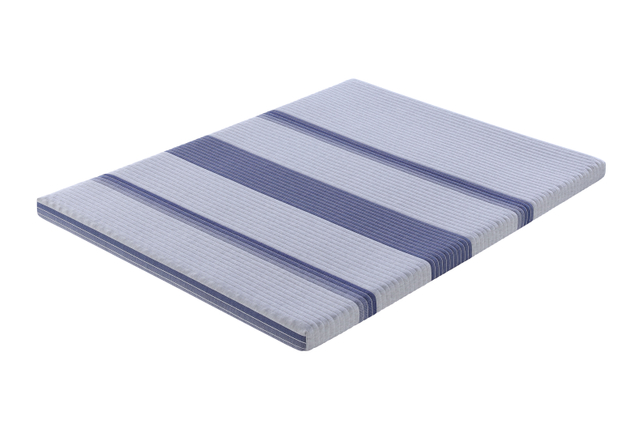
When it comes to choosing the right mattress, understanding how a latex mattress compares to other types can help you make an informed decision. Here, we’ll explore the key differences between latex mattresses and memory foam, innerspring, and hybrid mattresses.
Latex and memory foam mattresses each have unique characteristics that affect how they feel and perform.
● Key Differences in Feel and Support:Latex Mattresses: Provide a buoyant and responsive feel. They contour to your body without sinking excessively, ensuring good support and spinal alignment.
○ Memory Foam Mattresses: Often described as having a "quicksand" feeling, they cradle the body but can make movement more difficult. This sinking sensation can cause some sleepers to feel trapped.
Feature | Latex Mattress | Memory Foam Mattress |
Feel | Responsive and buoyant | Soft and contouring |
Support | Good spinal alignment | Can lead to misalignment |
Durability | Long-lasting | May sag over time |
In terms of durability, latex mattresses typically outlast memory foam, making them a more reliable investment in the long run.
When comparing latex mattresses to innerspring options, several factors come into play.
● Support and Comfort Levels:
○ Latex Mattresses: Offer consistent support across the surface, adapting to different sleeping positions without compromising comfort.
○ Innerspring Mattresses: Rely on coils for support, which can create pressure points if the mattress lacks sufficient padding.
● Noise Levels and Motion Transfer:
○ Latex Mattresses: Generally quieter, as they don’t contain metal components. They also provide good motion isolation, making them suitable for couples.
○ Innerspring Mattresses: Can be noisy due to the coils, and motion transfer can be more noticeable, potentially disturbing a partner’s sleep.
Feature | Latex Mattress | Innerspring Mattress |
Support | Consistent and adaptive | Variable, depending on coil quality |
Noise Levels | Quiet | Can be noisy |
Motion Transfer | Low | Higher |
This makes latex a better choice for those who value a quieter sleep environment and less disturbance from movement.
Hybrid mattresses combine different materials to create a balanced sleep experience, often incorporating latex and innerspring components.
● Pros and Cons of Hybrid Mattresses:
Pros: They can offer the best of both worlds, providing the support and responsiveness of latex along with the traditional feel of innerspring coils. This combination can enhance comfort and support.
Cons: However, hybrids can be more expensive than traditional latex or innerspring mattresses and may not last as long as pure latex options.
Feature | Hybrid Mattress | Latex Mattress |
Comfort | Balanced and versatile | Consistent and supportive |
Durability | Moderate | High |
Price | Generally higher | Varies, but can be lower |
● Explanation of Hybrid Benefits: By combining latex and innerspring, these mattresses can provide a cooler sleep surface and improved airflow, making them a great option for hot sleepers.
Understanding these comparisons can help you find the perfect mattress that meets your needs and preferences, ensuring a restful night’s sleep.
Latex mattresses provide unique benefits, including excellent support and durability. They adapt well to different sleep positions, ensuring proper spinal alignment. When choosing a mattress, consider your personal sleep needs for optimal comfort. Explore options from SuiLong, which offers high-quality latex mattresses designed to enhance sleep quality. Their products combine comfort and durability, providing exceptional value for a restful night's sleep.
A: A latex mattress is made from natural or synthetic latex, offering excellent support and comfort.
A: Unlike memory foam, a latex mattress provides more responsiveness and doesn't create a "quicksand" feeling.
A: Choosing a latex mattress can enhance sleep quality due to its durability and pressure-relieving properties.
A: The price of a latex mattress typically ranges from $800 to $3,000, depending on materials and construction.
A: To maintain a latex mattress, regularly rotate it and use a protective cover to extend its lifespan.


