- All
- Product Name
- Product Keyword
- Product Model
- Product Summary
- Product Description
- Multi Field Search

Views: 0 Author: Site Editor Publish Time: 2025-12-24 Origin: Site


Choosing the right mattress is crucial for a good night's sleep. With so many options, it can be overwhelming. In this article, we’ll explore the differences between hybrid mattresses and memory foam. You’ll learn which type may be best for your sleep needs.
A hybrid mattress combines the best features of innerspring and foam mattresses. It typically consists of a support core made of coils, topped with layers of foam or other materials for comfort. This unique design aims to provide a balanced sleep experience.
Common materials found in hybrid mattresses include:
● Innerspring Coils: These provide support and bounce, helping to maintain proper spinal alignment.
● Foam Layers: Often made from memory foam or latex, these layers offer pressure relief and contouring support.
● Comfort Materials: Some models incorporate microcoils or fiber layers for added comfort and airflow.
Hybrid mattresses come with several benefits that make them appealing to many sleepers.
1. Enhanced Temperature Regulation: The coil system allows for better airflow, helping to dissipate heat. This means you’re less likely to wake up feeling hot during the night.
2. Increased Responsiveness and Bounce: The combination of coils and foam provides a bouncy feel, making it easier to change positions while sleeping. This responsiveness can be particularly beneficial for active sleepers.
3. Better Edge Support: Many hybrid mattresses offer reinforced edges, allowing you to utilize the entire surface without feeling like you might roll off. This feature is especially useful for couples who share a bed.
Hybrid mattresses often feature a variety of comfort materials. Here’s a quick overview:
Comfort Material | Description |
Memory Foam | Cradles the body, relieving pressure points. |
Latex | Offers a responsive feel and is naturally cooling. |
Microcoils | Provide additional support and enhance airflow. |
Despite their many advantages, hybrid mattresses have some drawbacks.
1. Heavier and More Difficult to Move: Due to their construction, hybrids tend to be heavier than traditional mattresses. This can make setup and moving a bit of a challenge.
2. Higher Average Cost: Generally, hybrid mattresses come at a higher price point compared to all-foam models. However, many find the investment worthwhile for the benefits they provide.
3. Potential for Noise and Motion Transfer: While hybrids excel in many areas, the coil system can lead to some noise and motion transfer. This may be a concern for light sleepers or couples.
When it comes to durability, hybrid mattresses may not last as long as high-quality memory foam options. The coils can compress over time, leading to a decrease in support and comfort. Most hybrid mattresses typically last around 7 to 10 years, depending on the quality of materials used.
In summary, hybrid mattresses offer a unique blend of support and comfort, making them a popular choice for various sleepers. However, potential buyers should weigh the pros and cons carefully to find the right fit for their needs.
A memory foam mattress is designed to provide exceptional comfort and support. It’s made from viscoelastic foam, which reacts to body heat and pressure. This unique material allows the mattress to contour to your shape, offering personalized support.
Key materials used in memory foam mattresses include:
● Viscoelastic Foam: The primary component, known for its ability to conform to the body.
● Polyfoam: Often used as a base layer for support and durability.
● Gel-Infused Foam: Added to enhance cooling properties and reduce heat retention.
Memory foam mattresses are popular for several reasons.
1. Excellent Pressure Relief and Motion Isolation: They distribute weight evenly, reducing pressure points, especially for side sleepers. Additionally, they absorb movement, making them ideal for couples.
2. Comforting Hugging Sensation: Many people love the feeling of being cradled by the mattress. This sensation can lead to a more restful sleep, as it helps alleviate discomfort in common pressure areas.
3. Variety of Options Available: Memory foam mattresses come in various styles. Options include gel-infused for cooling, copper-infused for antimicrobial properties, and even plant-based foams for eco-conscious consumers.
While memory foam has many benefits, it also comes with some drawbacks.
1. Tendency to Retain Heat: Traditional memory foam can trap heat, making it uncomfortable for hot sleepers. Many manufacturers now offer cooling technologies to combat this issue.
2. Potential Off-Gassing Odors: New memory foam mattresses may emit a chemical smell due to volatile organic compounds (VOCs). This off-gassing can be bothersome, especially in poorly ventilated areas.
3. May Inhibit Movement: The contouring nature of memory foam can create a “sinking” feeling. This might make it difficult for some individuals to change positions during the night.
Off-gassing refers to the release of gases from materials, which can include VOCs. These compounds can cause unpleasant odors and may have health implications for sensitive individuals. While most people find the smell dissipates quickly, it’s important to ensure proper ventilation when setting up a new memory foam mattress.
Material | Potential VOCs | Health Impact |
Memory Foam | Toluene, formaldehyde | May cause headaches or dizziness |
Polyfoam | Styrene | Possible respiratory irritation |
Gel Infusions | Minimal | Generally safer, but varies by brand |
Memory foam mattresses provide a unique sleeping experience, combining comfort and support. They are great for those who prioritize pressure relief and motion isolation, but potential buyers should be aware of heat retention and off-gassing issues.
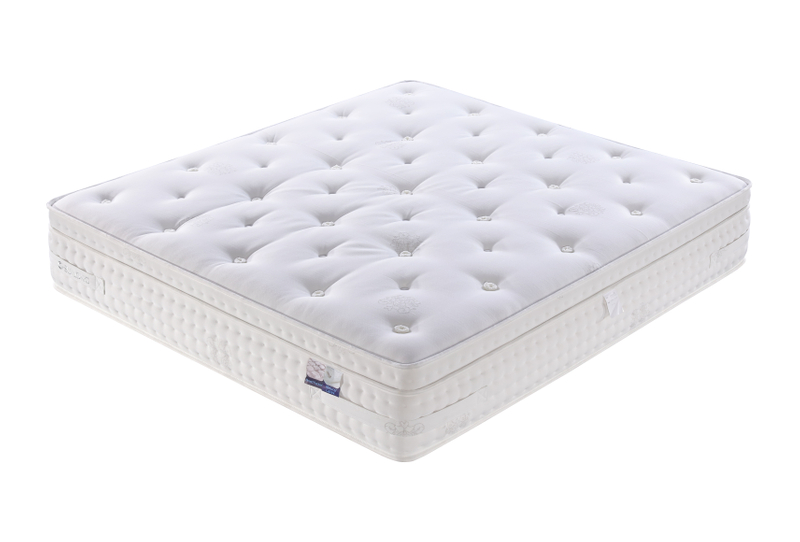
When it comes to support, hybrid and memory foam mattresses differ significantly. Hybrid mattresses utilize a core made of coils, which provide a sturdy foundation and promote airflow. This design helps maintain spinal alignment while offering bounce. In contrast, memory foam mattresses primarily rely on polyfoam or viscoelastic foam for support. While they contour to the body, they may lack the responsiveness found in hybrids.
Feature | Hybrid Mattress | Memory Foam Mattress |
Support System | Innerspring coils | Polyfoam or viscoelastic foam |
Spinal Alignment | Excellent | Good, but depends on firmness |
Bounce | Yes | Minimal |
Motion isolation is crucial for couples or restless sleepers. Memory foam excels in this area due to its dense structure, absorbing movement effectively. If one partner moves, the other is less likely to feel it. Hybrid mattresses, while better than traditional innerspring beds, may transfer some motion due to their coil construction. However, the combination of foam layers can help reduce this effect.
● Memory Foam: Offers superior motion isolation, ideal for light sleepers.
● Hybrid: Provides decent motion control but allows for more movement.
Temperature regulation is another key difference. Memory foam mattresses tend to retain heat, which can be uncomfortable for some sleepers. This is especially true for traditional memory foam. Many brands now offer gel-infused or breathable options to combat heat retention. On the other hand, hybrid mattresses generally promote better airflow due to their coil systems. The open structure helps dissipate heat, making them a cooler option for hot sleepers.
Type | Heat Retention | Cooling Features |
Memory Foam | High | Gel-infused, breathable foams |
Hybrid | Low | Coil system promotes airflow |
The overall feel of each mattress type varies significantly. Memory foam provides a unique cradling sensation, allowing you to sink into the mattress. This is particularly beneficial for those who need pressure relief, especially side sleepers. Conversely, hybrid mattresses offer a balanced feel, combining the contouring of foam with the bounce of coils. This makes them suitable for various sleeping positions, providing support without sacrificing comfort.
● Memory Foam: Cradles the body, ideal for pressure relief.
● Hybrid: Offers a blend of support and comfort, great for those who change positions often.
In summary, the differences between hybrid and memory foam mattresses are clear. Each type has its unique strengths and weaknesses, catering to different sleep preferences and needs.
Hybrid mattresses are an excellent choice for a variety of sleepers. They cater to different sleeping positions and preferences, making them versatile. Here are some ideal candidates for hybrid mattresses:
1. Back Sleepers: Those who sleep on their backs benefit from the balanced support of hybrid mattresses. The combination of coils and foam helps maintain spinal alignment while providing comfort.
2. Stomach Sleepers: Stomach sleepers often need a firmer surface to prevent their hips from sinking too deeply. Hybrid mattresses offer the necessary support to keep the spine aligned.
3. Bouncier Feel Seekers: If you prefer a mattress with a bit of bounce, hybrids deliver just that. The coils provide responsiveness, making it easier to change positions during the night.
4. Hot Sleepers: For individuals who tend to sleep hot, hybrids are a great option. The coil system promotes airflow, helping to keep the mattress cool throughout the night.
5. Individuals Requiring Good Edge Support: Hybrid mattresses usually feature reinforced edges, allowing you to use the entire surface without feeling like you might roll off. This is particularly beneficial for those who sit on the edge of the bed or share it with a partner.
Ideal Sleeper Type | Benefits |
Back Sleepers | Maintains spinal alignment |
Stomach Sleepers | Prevents excessive sinking |
Bouncier Feel Seekers | Easier movement and repositioning |
Hot Sleepers | Enhanced airflow for cooler sleep |
Edge Support Seekers | Use of full mattress surface |
Couples and those who frequently change positions during sleep will find hybrid mattresses particularly advantageous. The combination of foam and coils offers both support and comfort, accommodating different sleep styles.
● Motion Isolation: While hybrid mattresses do allow some motion transfer, they generally perform better than traditional innerspring models. This means if one partner shifts or gets up, the other is less likely to be disturbed.
● Versatile Comfort: The ability to switch between firmness levels makes hybrids ideal for couples. One partner may prefer a softer feel while the other prefers something firmer, and hybrids can cater to both preferences with different comfort layers.
● Support During Movement: For active sleepers, the responsiveness of hybrid mattresses allows for easy movement without feeling stuck. This can be especially helpful for those who frequently change positions throughout the night.
In essence, hybrid mattresses provide a well-rounded solution for various sleeping preferences, making them a great choice for many individuals and couples alike.
Memory foam mattresses are particularly well-suited for certain types of sleepers. Their unique properties make them a great choice for those who prioritize comfort and support. Here are some ideal candidates for memory foam mattresses:
1. Side Sleepers: Individuals who sleep on their sides often experience pressure points in their hips and shoulders. Memory foam excels in providing pressure relief, allowing these areas to sink in while maintaining spinal alignment.
2. Light Sleepers Sensitive to Motion: If you’re a light sleeper, you may wake easily from movement. Memory foam’s excellent motion isolation means that when one partner shifts, the other is less likely to feel it. This quality makes it an ideal choice for couples.
3. Those with Chronic Pain or Discomfort: People suffering from chronic pain, such as back or joint issues, often benefit from the contouring properties of memory foam. It can help reduce discomfort by distributing body weight evenly, alleviating pressure on sensitive areas.
Ideal Sleeper Type | Benefits |
Side Sleepers | Alleviates pressure on hips and shoulders |
Light Sleepers | Minimizes disturbance from partner movements |
Individuals with Chronic Pain | Provides even weight distribution and support |
Many sleepers prefer the deep contouring and body-hugging feel of memory foam. This sensation can create a cocoon-like experience, providing a sense of security and comfort. Here’s why some people are drawn to this unique feel:
● Cradling Effect: Memory foam molds to the shape of your body, offering personalized support. This can be particularly comforting for those who enjoy feeling enveloped while they sleep.
● Pressure Relief: The contouring nature of memory foam helps to alleviate pressure on key areas, such as the lower back and joints. This is especially beneficial for side sleepers, who often need additional cushioning.
● Supportive Yet Soft: While memory foam provides a soft feel, it also offers firm support where needed. This balance is essential for maintaining proper spinal alignment and overall comfort during sleep.
In summary, memory foam mattresses cater to a variety of sleep preferences, particularly benefiting side sleepers, light sleepers, and those experiencing chronic pain. Their unique contouring capabilities make them a popular choice for many looking for a restful night’s sleep.
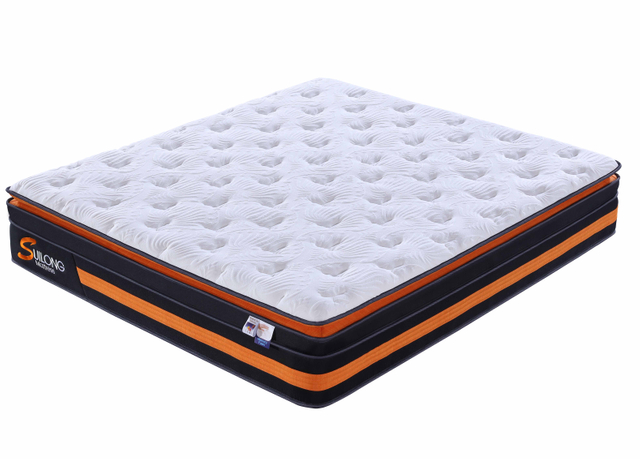
When considering a new mattress, price is often a significant factor. Both hybrid and memory foam mattresses come in a wide range of prices, influenced by various factors.
Typical Price Ranges:
● Hybrid Mattresses: Generally, you can expect to pay between $800 and $2,500. The price varies based on the quality of materials used, the number of coils, and additional features like cooling technology or adjustable bases.
● Memory Foam Mattresses: These typically range from $500 to $2,000. Lower-priced models may use less durable foam, while premium options often include advanced features like gel infusion or eco-friendly materials.
Mattress Type | Price Range | Factors Affecting Price |
Hybrid Mattresses | $800 - $2,500 | Brand, materials, coil count, features |
Memory Foam Mattresses | $500 - $2,000 | Foam quality, thickness, cooling technology |
Several factors contribute to the price differences between hybrid and memory foam mattresses.
1. Brand Reputation: Established brands often command higher prices due to their reputation for quality and durability. However, newer brands may offer competitive pricing to attract customers.
2. Materials Used: The type of foam or coils significantly impacts the cost. High-density memory foam or individually wrapped coils in hybrids usually result in a higher price point.
3. Features and Technology: Additional features, such as cooling gel layers, adjustable bases, or antimicrobial properties, can also increase the price. Shoppers should consider what features are essential for their comfort and sleep needs.
Finding an affordable mattress doesn’t mean sacrificing quality. Here are some tips to help you navigate your options:
● Shop During Sales: Look for major sales events, such as Black Friday or Memorial Day, when many retailers offer significant discounts on mattresses.
● Consider Online Retailers: Online mattress companies often provide better prices than brick-and-mortar stores. Many also offer trial periods, so you can test the mattress at home.
● Look for Warranty and Return Policies: A good warranty can provide peace of mind. Many brands offer 10- to 20-year warranties, which can indicate durability and quality.
● Compare Features: Determine which features are most important for your sleep style. Sometimes, opting for a slightly less expensive model without extra features can save you money while still providing comfort.
By understanding the price ranges and factors influencing costs, you can make a more informed decision when choosing between a hybrid or memory foam mattress that fits your budget and sleep needs.
Choosing the right mattress often starts with understanding your sleep position. Different positions require different levels of support and comfort. Here are some tips based on common sleep styles:
● Side Sleepers: If you sleep on your side, look for a mattress that offers pressure relief, particularly for your shoulders and hips. A softer mattress, like a memory foam or a hybrid with a plush top layer, can help cradle these areas.
● Back Sleepers: For those who prefer sleeping on their backs, a medium-firm mattress is usually ideal. This provides support while maintaining spinal alignment. Hybrid mattresses often work well here, as they combine support with comfort.
● Stomach Sleepers: Stomach sleepers generally need a firmer mattress to prevent their hips from sinking too deeply. A hybrid mattress with a solid coil base can offer the necessary support to keep the spine aligned.
Sleep Position | Recommended Mattress Type | Key Features |
Side Sleepers | Soft memory foam or hybrid | Pressure relief for hips and shoulders |
Back Sleepers | Medium-firm hybrid | Balanced support and alignment |
Stomach Sleepers | Firm hybrid | Prevents excessive sinking |
Temperature regulation is crucial for a comfortable night's sleep. If you tend to sleep hot, you’ll want to consider how well a mattress can keep you cool.
● Memory Foam: Traditional memory foam can retain heat, but newer models often incorporate cooling gels or breathable materials to enhance airflow.
● Hybrid Mattresses: Generally, hybrids provide better temperature regulation due to their coil systems, which promote airflow. If you’re a hot sleeper, a hybrid may be the better choice.
If you share your bed with a partner or are a restless sleeper, motion transfer is an important factor. You want a mattress that minimizes disturbances when you or your partner moves during the night.
● Memory Foam: Known for excellent motion isolation, memory foam absorbs movement, which is ideal for light sleepers.
● Hybrid Mattresses: While hybrids also offer good motion isolation, they may not perform as well as memory foam. However, the right hybrid can still limit disturbances effectively.
Finding the right firmness level is essential for comfort and support. It’s important to try out different firmness levels before making a decision.
● Softness vs. Firmness: Softer mattresses can provide more cushioning, while firmer options offer better support. Many people prefer a medium-firm mattress, as it strikes a balance between comfort and support.
● In-Store Testing: If possible, visit a store to test mattresses. Lie down in your typical sleep position for at least 10-15 minutes to get a feel for how it supports your body.
When selecting a mattress, don’t overlook the importance of warranties and trial periods.
● Warranties: A good warranty can indicate the manufacturer’s confidence in their product. Look for warranties that last at least 10 years, covering defects in materials and workmanship.
● Trial Periods: Many online mattress companies offer trial periods ranging from 30 to 100 nights. This allows you to test the mattress at home and return it if it doesn’t meet your needs. Be sure to read the terms carefully to understand the return process.
By considering these factors—sleep position, temperature preferences, motion transfer, firmness, and warranty—you can make a more informed decision when choosing between a hybrid mattress and a memory foam mattress, ensuring you find the perfect fit for your sleeping needs.
This article explored the differences between hybrid mattresses and memory foam mattresses. It highlighted the importance of considering sleep positions, temperature preferences, motion transfer, firmness, and warranty options. Readers should reflect on their personal preferences and needs when choosing a mattress. For those seeking quality and comfort, SuiLong offers exceptional products that combine innovative features and value. Explore SuiLong's options to find the perfect mattress for your sleep needs.
A: A hybrid mattress combines the support of innerspring coils with the comfort of foam layers, often providing a balanced sleeping experience.
A: While a memory foam mattress offers deep contouring and pressure relief, a hybrid mattress provides more bounce and better temperature regulation due to its coil system.
A: A hybrid mattress is ideal for those who want the best of both worlds—support from coils and comfort from foam, making it suitable for various sleep positions.
A: The advantages of a hybrid mattress include improved airflow, reduced motion transfer, and enhanced support, catering to different sleep preferences.
A: The price of a hybrid mattress usually ranges from $800 to $2,500, depending on materials and features.