- All
- Product Name
- Product Keyword
- Product Model
- Product Summary
- Product Description
- Multi Field Search


Have you ever wondered how to properly store your mattress to keep it in great condition? Storing a mattress correctly is crucial to ensure it remains usable and hygienic. In this article, we’ll cover the best storage practices to prevent damage, mold growth, and loss of shape. You’ll learn how to store your mattress safely and avoid common storage mistakes.
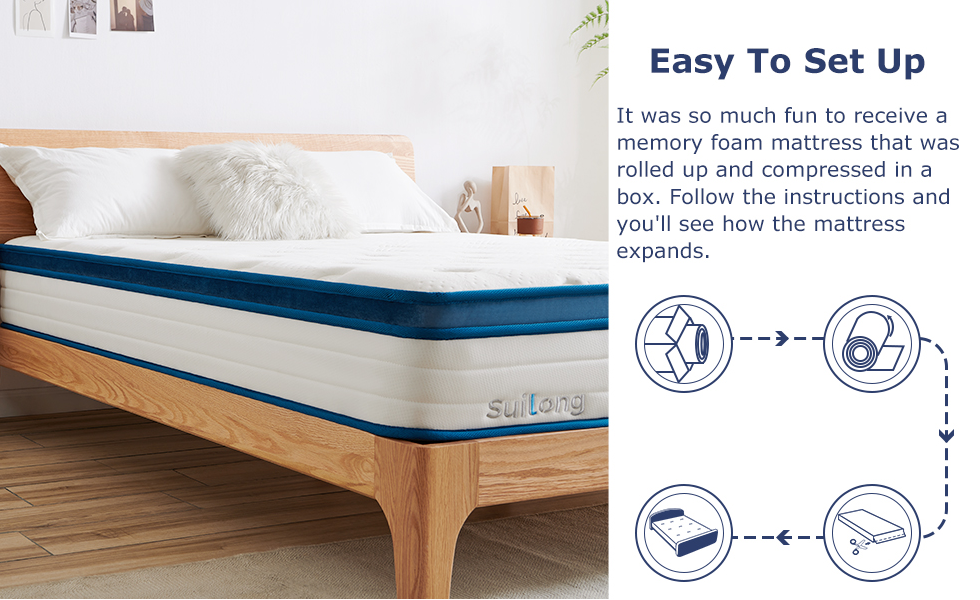
When storing a mattress, location is critical. The ideal storage environment is a dry, cool, and well-ventilated area. High humidity levels can lead to the growth of mold and mildew, while extreme temperatures may cause the materials inside the mattress to degrade. Storing a mattress in a room with poor ventilation can trap moisture, which increases the risk of dampness and subsequent mold growth.
Consider storing your mattress in a bedroom, spare room, or hallway that is away from direct sunlight. Exposure to sunlight can cause the fabric to fade and weaken over time. If storing the mattress in a basement or attic, ensure the space is dry and properly ventilated. Excess moisture in these areas can cause the mattress to develop unpleasant smells and potentially damage the internal structure.
| Storage Location | Best for | Avoid |
|---|---|---|
| Bedroom/Spare Room | Consistent temperature and ventilation | Damp or humid environments |
| Hallway | Easy access, dry area | Direct sunlight and heat |
| Attic/Basement | If dry and well-ventilated | Moist, poorly ventilated areas |
Before storing a mattress, it is essential to clean and disinfect it. Cleaning the mattress will help eliminate any dirt, dust, or debris that could contribute to odors or mold growth during storage. Start by vacuuming the surface thoroughly to remove dust mites, hair, and other particles. This step is particularly important if you have allergies, as dust can exacerbate allergic reactions.
Next, check for stains. If there are any, spot-clean the affected areas with a mild detergent solution and a damp cloth. Avoid soaking the mattress, as excessive moisture could lead to mold and mildew growth. After cleaning, allow the mattress to dry completely before wrapping it for storage.
Once cleaned, it is important to protect your mattress from dirt, moisture, and pests. Use a mattress cover or protective plastic wrap to shield the mattress from external contaminants. A mattress protector made from breathable material can help keep it fresh and free from dust or moisture. If using plastic, make sure the wrap is tightly sealed to prevent air from entering, which could contribute to dampness.
To further protect the mattress, consider raising it off the floor. Placing it on a raised platform, such as a wooden pallet, helps ensure that air circulates freely around the mattress, preventing moisture buildup that could encourage mold growth. Avoid storing the mattress directly on the ground, especially in basements or attics, where the floor may be damp.
Foshan SuiLong Furniture offers high-quality mattresses like their hybrid models, which combine memory foam and pocket springs, designed for long-lasting comfort and durability. Ensuring proper storage will help preserve the quality of these premium products.
One of the most space-efficient methods for storing a mattress is to store it upright. This position prevents the mattress from becoming misshapen or warped. Storing your mattress in an upright position reduces the pressure on the springs, foam, and fabric, keeping it in better condition over time.
To store a mattress upright, place it against a wall or secure it in a corner where it won’t tip over. Ensure that the mattress is fully supported along its length to avoid bending or kinking, which could cause structural damage. Avoid leaning it against sharp objects or heavy furniture that could create pressure points or puncture the material. If needed, you can use a mattress bag to keep it safe and prevent dust accumulation.
| Storage Method | Pros | Cons |
|---|---|---|
| Upright Storage | Space-saving, prevents warping | Requires space for vertical storage |
| Flat Storage | Suitable for multiple mattresses | Can lead to pressure points if not managed properly |
| Folding | Good for short-term storage | Can damage structure, not recommended for innerspring mattresses |
While storing a mattress upright is generally recommended, there may be times when flat storage is necessary. If you have limited vertical space or multiple mattresses to store, flat storage might be your best option. When choosing flat storage, make sure the mattress is placed on a flat, sturdy surface, such as a platform or bed frame. This ensures that the mattress doesn’t develop pressure points or indentations that could affect its comfort.
While flat storage is practical, avoid stacking heavy objects on top of the mattress. Placing anything heavy on top can compress the materials inside the mattress and cause permanent damage. If you do choose flat storage, rotate the mattress every few months to prevent uneven pressure that could cause sagging.
In some cases, you might consider folding or rolling your mattress, particularly if it’s a foam mattress. However, this should be done with caution. Memory foam mattresses are more flexible and can often be rolled without causing damage, but many innerspring or hybrid mattresses should never be folded. Folding an innerspring mattress can cause the coils to lose their shape and support, leading to permanent damage.
If folding is necessary, ensure that you are following the manufacturer’s guidelines. Use proper mattress bags or rolls designed for this purpose to prevent compressing the mattress excessively. Folding should be avoided for long-term storage, as it can lead to irreparable damage to the mattress’s structure.
Mattresses are designed to last for years, but improper or prolonged storage can significantly reduce their lifespan. Short-term storage (a few weeks to a couple of months) is generally not harmful if the mattress is stored correctly. During short-term storage, the mattress should be periodically checked to ensure there is no moisture buildup or other issues.
For long-term storage (several months or more), it’s important to inspect the mattress regularly to ensure it hasn’t developed any permanent damage. Extended storage can lead to compression, loss of shape, and weakened materials. If possible, try to limit long-term mattress storage to reduce the chances of these issues occurring.
| Storage Duration | Effects on Mattress | Best Practices |
|---|---|---|
| Short-Term (weeks) | Minimal impact if stored properly | Rotate or check for moisture every few weeks |
| Long-Term (months) | Possible compression, sagging | Periodic inspection, ensure mattress is well-protected |
While mattresses are built to last, leaving them in storage for too long can cause damage. Over time, the foam or springs in a mattress may lose their original shape due to the pressure of prolonged storage. Foam mattresses, for example, can develop permanent indentations, while innerspring mattresses may sag or lose their resilience.
If your mattress has been stored for a long time, it is essential to inspect it carefully before use. Look for any obvious signs of damage, such as sagging, mold, or unusual odors. Even if the mattress appears to be in good condition, it is recommended to air it out for a few days before sleeping on it.
Memory foam mattresses require extra care during storage. Unlike innerspring mattresses, memory foam is sensitive to pressure, and improper storage can cause it to lose its firmness and support. To store a memory foam mattress, the best method is rolling it carefully and securing it in a breathable mattress bag. Avoid folding or compressing the mattress too tightly, as this can cause permanent deformation.
If storing a memory foam mattress for an extended period, place it in a climate-controlled space with low humidity. Avoid storing it in hot, damp, or cold environments, as temperature extremes can cause the foam to lose its structure and elasticity.
Innerspring mattresses, which contain coils, require different storage methods than memory foam mattresses. These mattresses are more durable but can become damaged if not stored correctly. When storing an innerspring mattress, it’s best to store it upright against a wall. Ensure it is fully supported to prevent any bending of the coils.
Flat storage is also an option for innerspring mattresses, but be sure to keep them off the ground and avoid stacking heavy items on top. Pressure on the coils over an extended period can result in permanent damage to the springs, causing the mattress to lose its support.
When moving, proper mattress storage is essential to ensure it arrives at its destination without damage. If you are using a moving truck, protect the mattress by placing it inside a mattress box. This box provides protection from dust, dirt, and moisture during transport. If a mattress box is not available, a mattress cover or heavy-duty plastic wrap can be used to keep the mattress safe.
Ensure the mattress is placed upright or flat, depending on the available space in the truck. Avoid laying heavy objects on top of the mattress, as this could cause permanent damage.
During transit, be mindful of how the mattress is loaded and unloaded. It should never be folded or bent, as this can cause structural damage. If space is limited, secure the mattress upright to avoid it shifting during the move. Always use a mattress protector or plastic wrap to shield it from dust, dirt, and moisture.
Moisture is one of the biggest enemies of a mattress. Storing a mattress in a damp area, such as a basement or poorly ventilated room, can lead to mold and mildew growth. Always store your mattress in a dry, well-ventilated area to prevent moisture buildup. If you must store it in a basement, consider using a dehumidifier to control humidity levels.
Many people neglect to use a mattress protector or cover, which can lead to damage during storage. Without protection, your mattress is vulnerable to dust, dirt, and pests, which can cause it to become unsanitary and damaged. Always use a protective cover or plastic wrap to shield your mattress from contaminants during storage.
Regularly rotating or flipping your mattress is crucial for maintaining its shape and comfort. If a mattress is stored for an extended period, make sure to rotate it every few months to avoid permanent indentations. This will help ensure that the mattress remains even and comfortable when you use it again.
Proper mattress storage is essential for maintaining its quality and comfort. By choosing the right storage location, preparing your mattress, and protecting it from moisture and pests, you ensure it stays in top condition. Whether storing it during a move or temporarily, following the right steps will extend its life. Regular inspection is key, and it’s important to follow manufacturer guidelines. Foshan SuiLong Furniture offers high-quality mattress storage solutions that preserve your mattress and enhance its lifespan.
A: Store your mattress in a dry, cool, and well-ventilated area. Use a mattress cover for protection against dust and moisture, and avoid placing it on damp floors.
A: Yes, storing a mattress upright is ideal. Just make sure it's fully supported to prevent bending or damage, and avoid leaning it against sharp objects.
A: Short-term storage is fine, but for long-term storage, it’s best to inspect the mattress every few months to ensure no mold or damage has occurred.
A: Folding a mattress is not recommended, especially for innerspring models, as it may damage the structure. Memory foam mattresses may be rolled if necessary.
A: Use a breathable mattress cover or plastic wrap to protect it from dirt, moisture, and pests. Store it off the ground on a raised platform for better airflow.