
- All
- Product Name
- Product Keyword
- Product Model
- Product Summary
- Product Description
- Multi Field Search

Views: 0 Author: Site Editor Publish Time: 2025-12-21 Origin: Site


Are you wondering how long a latex mattress lasts? Investing in a mattress is significant, and understanding its lifespan is crucial. In this article, we’ll explore the durability of latex mattresses, factors affecting their longevity, and tips for maximizing their lifespan.
When it comes to latex mattresses, the quality of materials plays a vital role in determining their lifespan. High-quality latex, whether natural or synthetic, significantly affects durability.
Natural vs. Synthetic Latex
Natural latex is sourced from rubber trees, providing exceptional resilience and comfort. In contrast, synthetic latex is made from polyurethane foam, which may not offer the same longevity or support.
Type of Latex | Source | Characteristics |
Natural Latex | Rubber trees | Durable, eco-friendly, hypoallergenic |
Synthetic Latex | Petrochemicals | Less durable, can off-gas |
Manufacturing Processes
The method used to create latex also influences its properties. Dunlop latex is denser and often more durable, making it a popular choice for support layers. Talalay latex, on the other hand, is lighter and softer, providing a plush feel ideal for comfort layers.
Proper maintenance is essential to extend the life of your latex mattress. Regular cleaning, rotating, and using protective covers can help maintain its condition.
● Cleaning Tips: Vacuum your mattress regularly to remove dust and allergens. Spot clean with mild soap and water for stains.
● Rotation: Rotate the mattress every 3-6 months to ensure even wear. This practice can prolong its lifespan significantly.
A supportive foundation is equally important. Latex mattresses perform best on platform beds or sturdy slatted frames. Avoid using box springs, as they may not provide adequate support for heavier latex mattresses.
The frequency of use affects how long a latex mattress will last. If the mattress is used nightly, it may wear out faster than one in a guest room.
Sleeping Position Matters
Your sleeping position and body weight also influence mattress longevity. Side sleepers may prefer a softer mattress, while back and stomach sleepers need firmer support. Here’s a quick guide:
Sleeping Position | Recommended Firmness Level |
Side Sleepers | Soft to Medium-Firm |
Back Sleepers | Medium-Firm |
Stomach Sleepers | Firm |
Lastly, environmental conditions can impact the lifespan of a latex mattress. Humidity, temperature, and ventilation all play crucial roles.
In humid environments, moisture can lead to mold and mildew, which can damage the mattress. Proper airflow is essential to maintain its integrity.
● Humidity Control: Keeping humidity levels between 40% and 60% helps prevent moisture buildup.
● Ventilation: Use a breathable foundation to promote airflow beneath the mattress. This practice can help extend its lifespan and keep it fresh.
By understanding these factors, you can make informed decisions about your latex mattress, ensuring it lasts for many years while providing comfort and support.
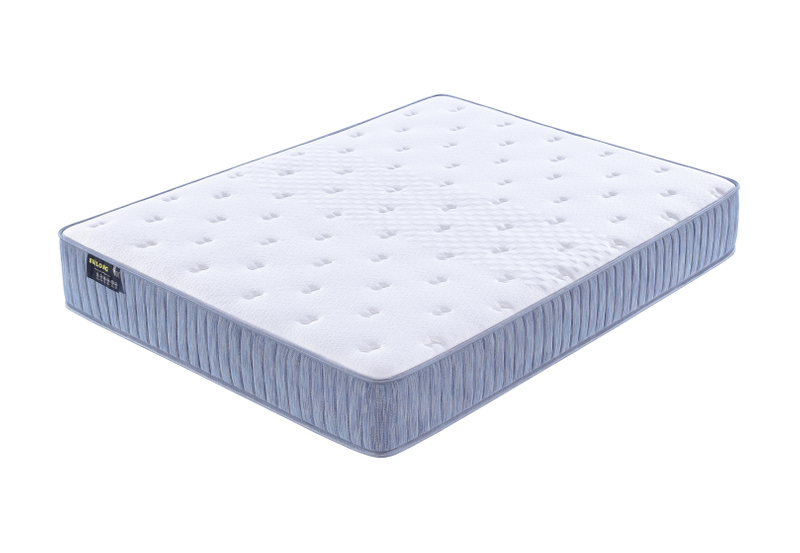
When considering a mattress, lifespan is a crucial factor. Latex mattresses typically last between 10 to 20 years, significantly outlasting many other types. Here’s a quick comparison of average lifespans for common mattress types:
Mattress Type | Average Lifespan |
Latex Mattress | 10-20 years |
Memory Foam | 8-10 years |
Innerspring | 6-8 years |
Hybrid | 8-10 years |
Latex mattresses last longer due to their durable materials and construction methods. Natural latex, in particular, offers superior resilience compared to memory foam and innerspring options. While memory foam mattresses can wear out more quickly, often developing indentations, latex maintains its shape and support over time.
The initial investment in a latex mattress can seem high, typically ranging from $1,300 to $3,000 for a queen size. However, it’s important to consider the long-term savings associated with durability.
● Cost Breakdown:Latex Mattress: $1,300 - $3,000
○ Memory Foam Mattress: $800 - $2,500
○ Innerspring Mattress: $500 - $1,800
○ Hybrid Mattress: $500 - $2,700
Investing in a latex mattress means you’re likely to avoid the costs of replacing your mattress every few years. When you factor in longevity, a latex mattress can be more economical over time.
Longevity and durability are key benefits of latex mattresses. They provide excellent support and comfort, which can lead to better sleep quality.
● Advantages of Latex:Pressure Relief: Reduces discomfort for various sleeping positions.
○ Hypoallergenic: Resists dust mites and allergens, promoting a healthier sleep environment.
○ Eco-Friendly: Many latex mattresses are made from natural materials, appealing to environmentally conscious consumers.
In contrast, while cheaper options may seem appealing initially, their shorter lifespans often lead to higher replacement costs in the long run. Choosing a latex mattress is not just about immediate savings; it’s about investing in your health and comfort for years to come.
Recognizing when to replace your latex mattress is essential for maintaining good sleep quality. One of the most noticeable signs is physical wear. If you see sagging or indentations, it’s time to consider a replacement. Over time, latex can lose its shape, leading to a lack of support.
● Sagging and Indentations: When you notice visible dips in the mattress surface, it indicates that the material is no longer providing the necessary support. This can lead to discomfort and poor sleep quality.
● Changes in Comfort: Have you been waking up with aches and pains? This can be a key indicator that your mattress has lost its supportive properties. If you find yourself tossing and turning more often, it may be time to shop for a new one.
Another critical aspect to consider is hygiene. Over time, mattresses can accumulate allergens and dust mites, which can negatively impact your health. Latex mattresses are generally more resistant to these issues compared to other types, but they’re not immune.
Concern | Latex Mattress | Other Types |
Dust Mites | Resistant | Prone to accumulation |
Allergens | Hypoallergenic | Can harbor allergens |
Odor | Minimal | May retain odors |
● Accumulation of Allergens: Even though latex mattresses resist allergens better than many others, they still require regular cleaning. If you notice increased allergy symptoms, it might be time to consider a replacement.
● Importance of Cleanliness: Keeping your mattress clean is crucial for health. Regular vacuuming and using a mattress protector can help, but if your mattress is old and worn, it may not be worth the effort anymore.
In summary, being aware of these signs can help you maintain a healthy sleep environment. If you notice sagging, discomfort, or hygiene issues, it’s likely time to invest in a new latex mattress for better sleep and health.
Maintaining your latex mattress is essential for its longevity. Regular cleaning routines can help keep it fresh and supportive.
● Cleaning Routines: Vacuum your mattress every few months to remove dust and allergens. For spot cleaning, use a mild detergent mixed with water. Avoid soaking the mattress; instead, dampen a cloth and gently clean the affected area.
● Mattress Protectors and Toppers: Using a quality mattress protector can shield your mattress from spills and stains. Additionally, a mattress topper adds an extra layer of comfort and protection, helping to prevent wear and tear.
Maintenance Task | Frequency | Purpose |
Vacuuming | Every 3 months | Remove dust and allergens |
Spot Cleaning | As needed | Address stains |
Using Protectors | Ongoing | Prevent damage |
The foundation you choose for your latex mattress greatly impacts its lifespan. It’s crucial to select the right bed frame or foundation to provide adequate support.
● Choosing the Right Foundation: Avoid using box springs, especially with heavier latex mattresses. Instead, opt for solid wood or slatted foundations that offer firm support. This helps maintain the mattress's shape and prevents sagging.
● Recommended Foundations: A solid platform bed or a slatted base with closely spaced slats (no more than 3 inches apart) is ideal for latex mattresses. This setup allows for proper airflow and support, enhancing durability.
Regularly rotating and flipping your mattress can significantly extend its lifespan. This practice promotes even wear and helps maintain its supportive qualities.
● How Often to Rotate or Flip: Aim to rotate your mattress every 3 to 6 months. If your mattress is designed to be flipped, do so as well during this time. This will help distribute weight evenly across the surface.
● Benefits of Even Wear: By rotating and flipping, you prevent specific areas from becoming overly compressed. This not only prolongs the life of your mattress but also ensures consistent comfort and support throughout its lifespan.
By following these tips, you can enhance the longevity of your latex mattress, ensuring it remains a comfortable and supportive sleep surface for years to come.
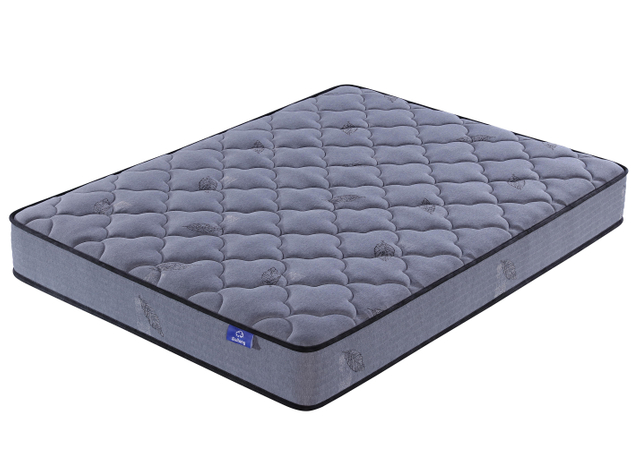
Several factors influence how long a latex mattress will last. The quality of materials used in its construction is paramount; high-quality natural latex tends to be more durable than synthetic options. Additionally, the manufacturing process, such as whether the latex is Dunlop or Talalay, can impact longevity. Proper maintenance, including cleaning and support, also plays a critical role in extending the lifespan of your mattress.
When compared to other types of mattresses, latex mattresses generally have a longer lifespan. For example, memory foam mattresses typically last around 8 to 10 years, while innerspring mattresses may only last 6 to 8 years. In contrast, a well-maintained latex mattress can last 10 to 20 years, making it a worthwhile investment for those seeking durability and comfort.
To maximize the lifespan of your latex mattress, regular maintenance is essential. This includes vacuuming to remove dust and allergens, using a mattress protector to prevent spills, and rotating the mattress every 3 to 6 months to promote even wear. Ensuring proper support with a suitable bed frame is also crucial, as inadequate support can lead to sagging and decreased durability over time.
Latex mattresses are known for their impressive longevity, often lasting 10 to 20 years. This durability makes them a great choice for long-term comfort and support. When selecting a latex mattress, consider factors like material quality and proper maintenance to maximize its lifespan. We encourage readers to explore options from reputable brands like SuiLong, which offers exceptional products designed for lasting comfort. With features that prioritize support and durability, SuiLong provides valuable choices for those seeking quality sleep solutions. Don’t forget to take advantage of home trials and warranties to ensure your satisfaction.
A: A latex mattress typically lasts between 10 to 20 years, depending on quality and care.
A: Factors such as material quality, maintenance, and support can influence how long your latex mattress remains comfortable.
A: Latex mattresses offer superior durability, pressure relief, and hypoallergenic properties, making them a great investment for long-term comfort.
A: Regularly vacuuming, using a mattress protector, and rotating it every few months will help extend the life of your latex mattress.
A: Yes, due to their durability and comfort, investing in a latex mattress can provide significant long-term value for sleep quality.


